South End Museum: A Powerful Window into Port Elizabeth's Apartheid History
June 29, 2025

I spent nearly three hours exploring the museum, deeply moved by the personal stories and multimedia exhibits that brought the community's history to life. The walking tour around the actual neighborhood streets made the historical narrative feel incredibly immediate and powerful.
Where apartheid's brutal urban planning tore a community apart, the South End Museum rebuilds the memory of a neighborhood erased by force. Step into a living chronicle where personal artifacts and multimedia tell the untold stories of displacement and resilience.
Need-to-Know Info Before Visiting South End Museum


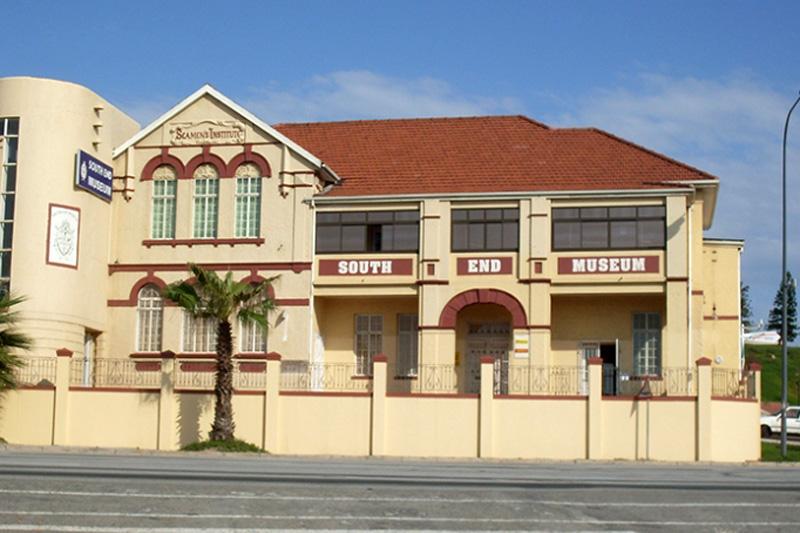
5+
images
South End Museum Address
cnr Fisher & Garfield Roads, South End, Port Elizabeth, 6001, Eastern Cape, South Africa
South End Museum Opening Hours
- 🕒 Tuesday - Saturday: 9:00 AM - 4:30 PM
- 🕒 Sunday: 10:00 AM - 3:00 PM
- 🕒 Closed on Mondays and public holidays
How to get to South End Museum
- 🚗 By car: Easily accessible from Nelson Mandela Bay city center
- 🚌 Public transport: Local minibus taxis and municipal buses serve South End area
- 🚕 Rideshare: Uber and local taxi services available
What is South End Museum known for?
- Documenting the forced removals of multicultural communities during apartheid
- Multimedia exhibits showing life in South End before racial segregation
- One-hour guided walking tours exploring neighborhood's historical landscape
- Preserving stories of displaced residents under the Group Areas Act
- Interactive displays revealing personal narratives of community resistance
What is South End Museum in Port Elizabeth?
Tucked away in the historic South End neighborhood, this museum stands as a powerful memorial to one of Port Elizabeth's most painful chapters of urban history. Travelers and history buffs seeking to understand South Africa's apartheid era find this small but impactful museum an essential stop. The South End Museum transforms a single location into a profound storytelling space, documenting how entire communities were systematically displaced by racist urban planning policies. Focused on the experiences of residents forcibly removed between 1965 and 1975, the museum uses photographs, personal artifacts, and multimedia exhibits to recreate the lost neighborhood's social fabric. International visitors often describe the museum as a raw, unfiltered window into how government policies physically dismantled multicultural communities. Walking tours complement the indoor exhibits, allowing visitors to trace the actual streets and spaces where families were once uprooted. Unlike traditional history museums, this landmark offers a deeply personal narrative that connects visitors directly to individual stories of resistance, loss, and resilience. Attracting around 15,000 visitors annually, the museum has become a critical educational resource for understanding Port Elizabeth's complex social transformation during apartheid.
Top things to do at South End Museum
- Join the one-hour guided walking tour exploring the actual neighborhood streets where forced removals occurred
- Watch multimedia exhibits documenting personal stories of South End residents during apartheid
- Examine historical photographs showing the multicultural community before displacement
- Interact with archival displays revealing the impact of the Group Areas Act on families
- Participate in documentary screenings about resistance and community resilience
- Browse the museum's collection of personal artifacts from displaced South End residents
Tickets and Entry
Visitors can book tickets directly at the museum or online through the official website. The standard entry fee is R50 for adults and R25 for students and seniors. Walking tours cost an additional R100 and must be booked in advance. The museum offers discounted group rates for schools and educational institutions.
History of South End Museum
- 1965-1975: Forced removals of multiracial communities in South End under the Group Areas Act
- 1980s: Community leaders begin documenting the neighborhood's lost history
- 1994: Post-apartheid efforts to preserve South End's cultural memory intensify
- 2000: Official establishment of the South End Museum as a memorial and educational space
- 2010: Major multimedia exhibit renovation highlighting personal stories of displacement
- 2020: Digital archive project launched to collect oral histories from former residents
Cultural Significance
The South End Museum represents more than a historical record. It serves as a critical site of memory and reconciliation, documenting how racial segregation policies systematically destroyed a thriving multiracial community. The museum helps younger generations understand the human cost of apartheid through personal narratives and preserved community artifacts.
Tips for Visitors
- Book walking tours at least one week in advance
- Allow 2-3 hours for a comprehensive museum experience
- Photography is permitted, but flash is not allowed
- Bring water and comfortable walking shoes for the tour
- English and Afrikaans audio guides are available
- Nearby parking is limited, consider arriving early
What are some interesting facts about South End Museum?
- The museum is located on the exact street where many forced removals occurred, making its location symbolically powerful
- Many museum artifacts were donated by former South End residents who kept personal items during their displacement
- Local community members often volunteer as tour guides, sharing firsthand family stories not found in official historical records